
Fantasy
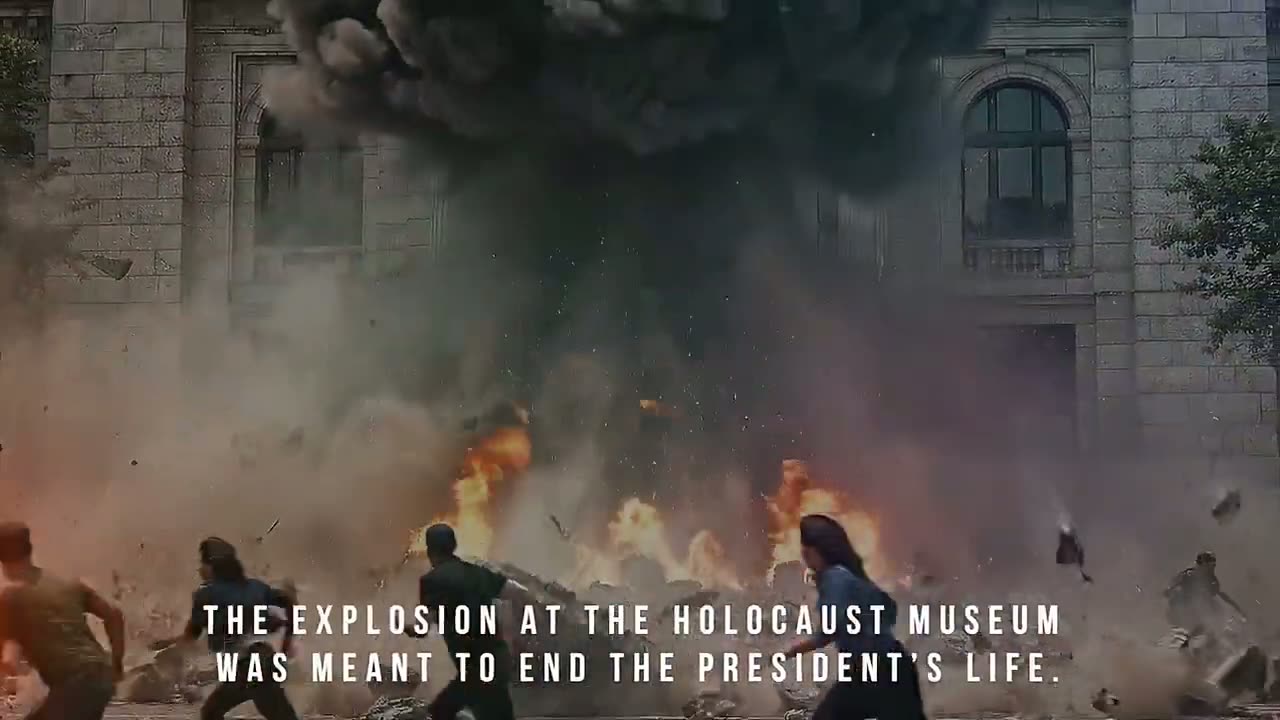
Scale, weather and myth. Wide frames, slow pushes, choral score.
Style direction
Cinematic book trailers
PageRise turns manuscripts into short films. Written from your pages, storyboarded frame by frame, scored to picture and graded like feature work, then delivered in every cut Amazon, social and launch day require.
Now playing · Studio reel
The PageRise Reel, 2026
Featured reel
Behind the process
Nothing here is automated end to end. Every stage has a human deciding what the next frame should feel like, the technology only executes the decision.
We read the manuscript, all of it. Then a ninety-minute conversation about the book you meant to write, not the one the blurb describes.
Four to six images carry a trailer. We pull them from the text, write the beat sheet, and agree on what the last five seconds must feel like.
Every shot drawn, framed and timed before a single frame is produced. You approve the film on paper.
Generative cinematography directed shot by shot, art-directed for continuity in light, lens and palette. No stock footage, ever.
The cut is where the trailer becomes a film. Rhythm, restraint, and a title card that lands on the downbeat.
Original score composed to picture, plus a full foley and atmosphere bed. Mixed for phone speakers and headphones alike.
Master, 16:9, 1:1, 9:16, silent-captioned social cuts, Amazon-compliant file and stills pack. Delivered ready to publish.
Trailer styles
Lens, pacing, palette and score change with the shelf your reader browses. These are the six houses we build in most often.
Scale, weather and myth. Wide frames, slow pushes, choral score.
Style direction
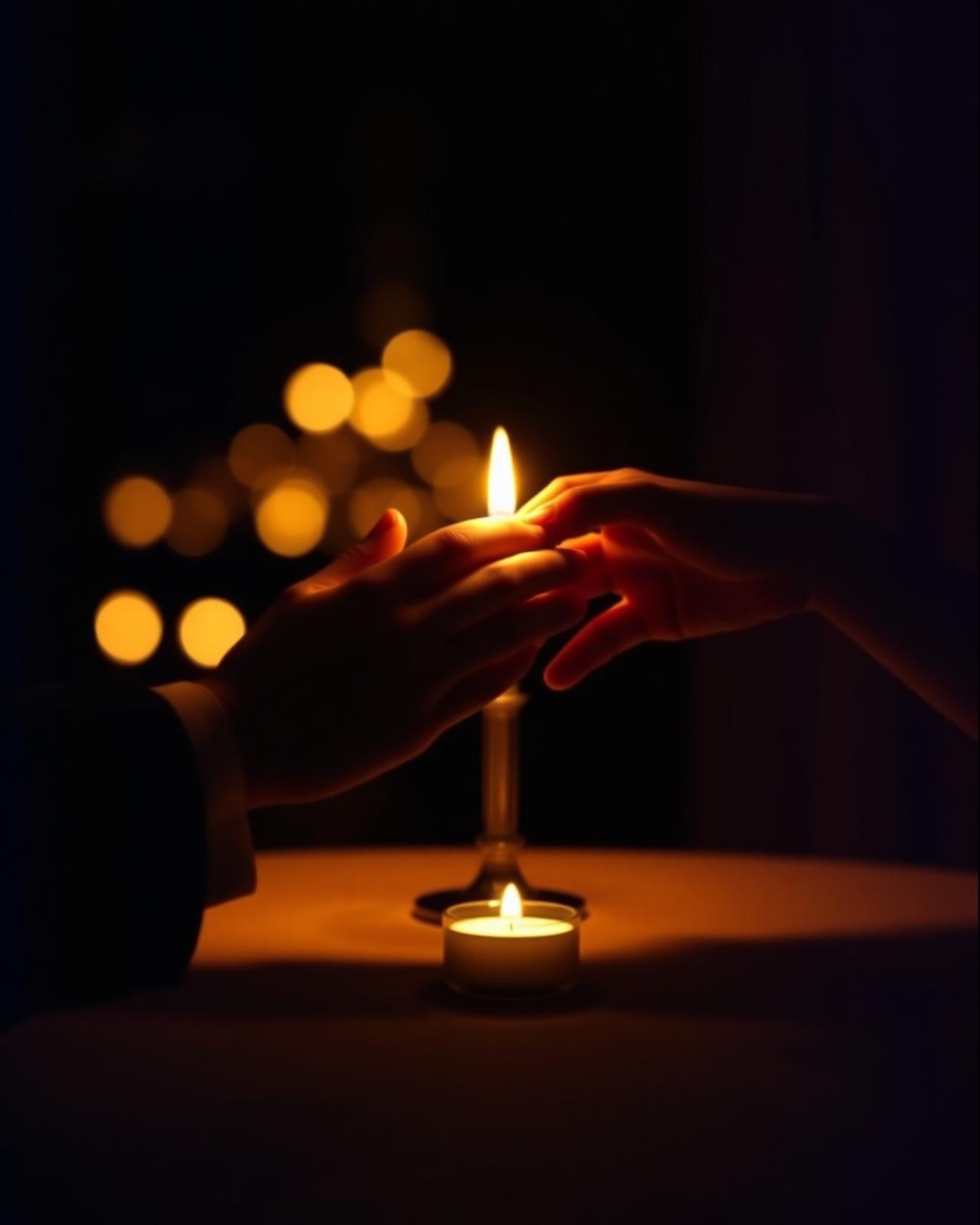
Warmth and proximity. Shallow focus, candlelight, piano and breath.
Style direction
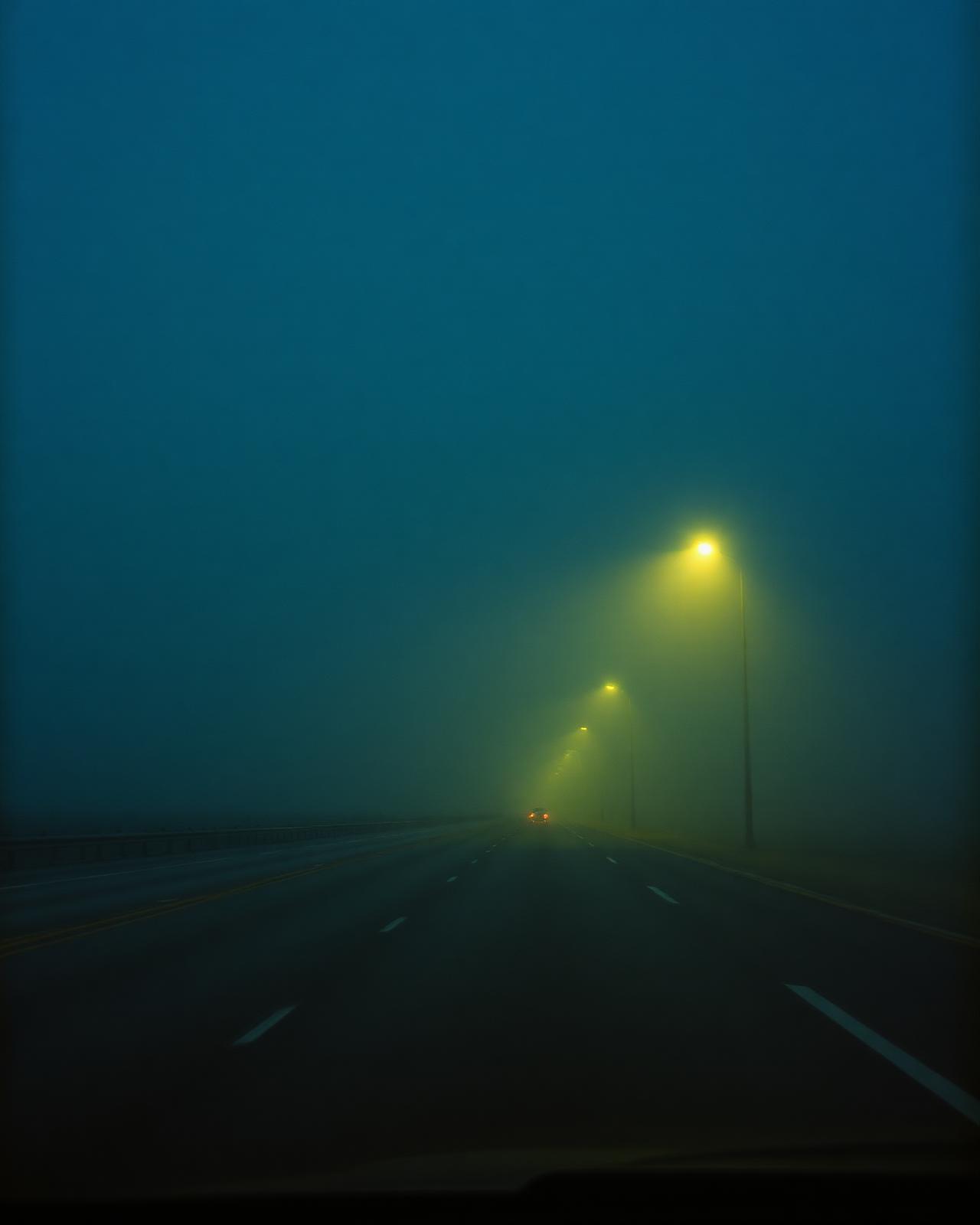
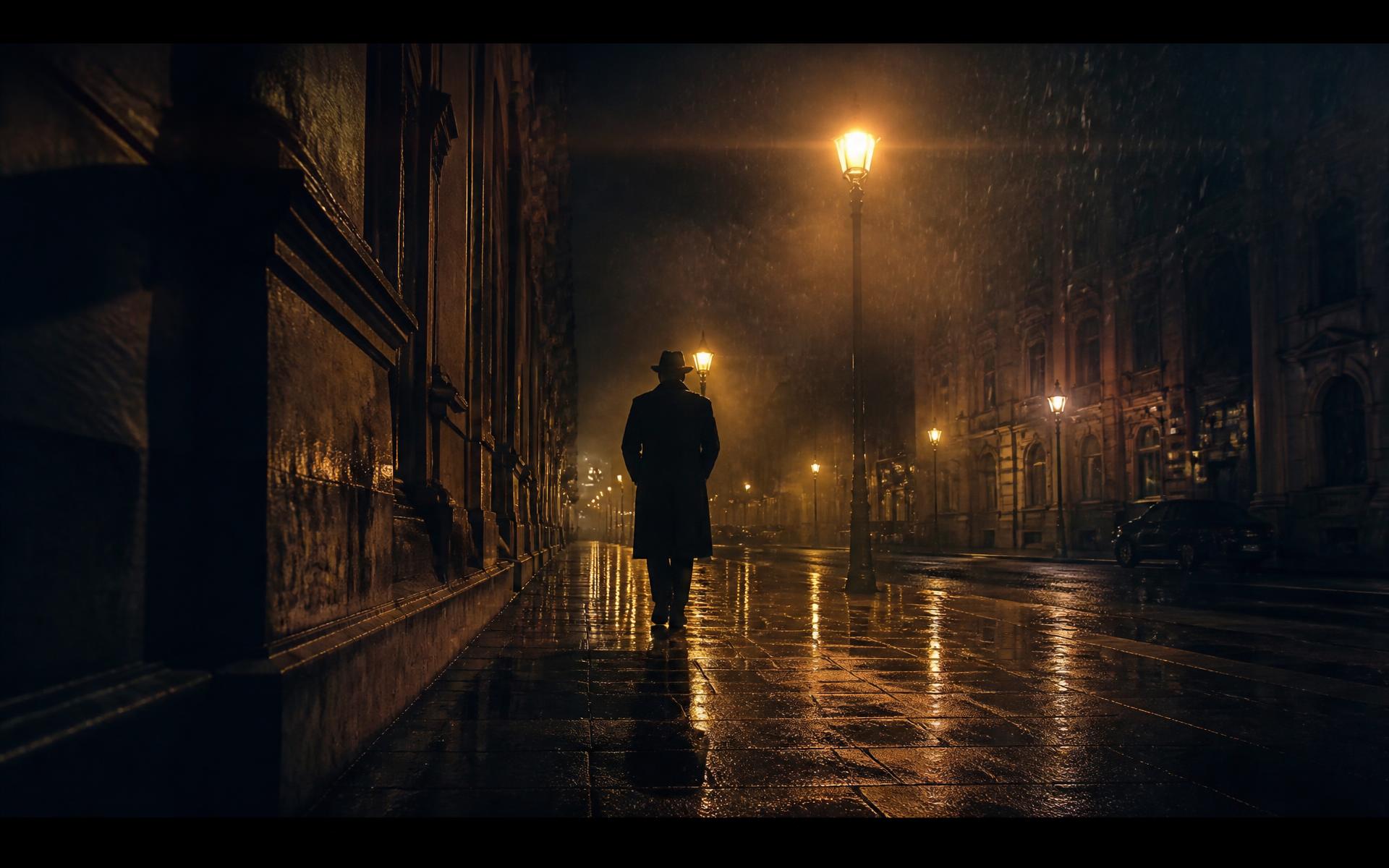
Negative space and dread. Cold navy, one warm source, hard cuts.
Style direction
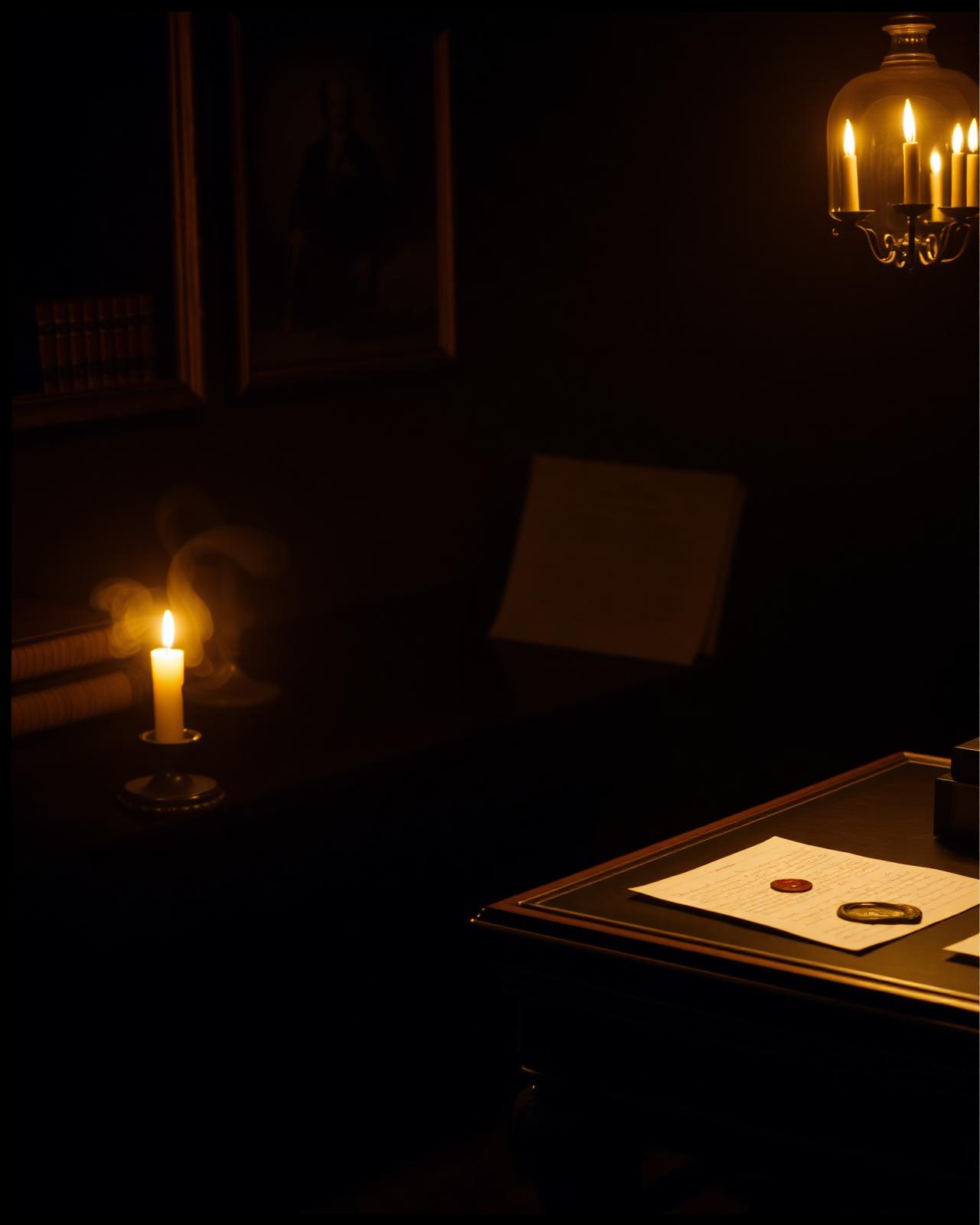
Texture and patience. Candle grade, period detail, strings.
Style direction
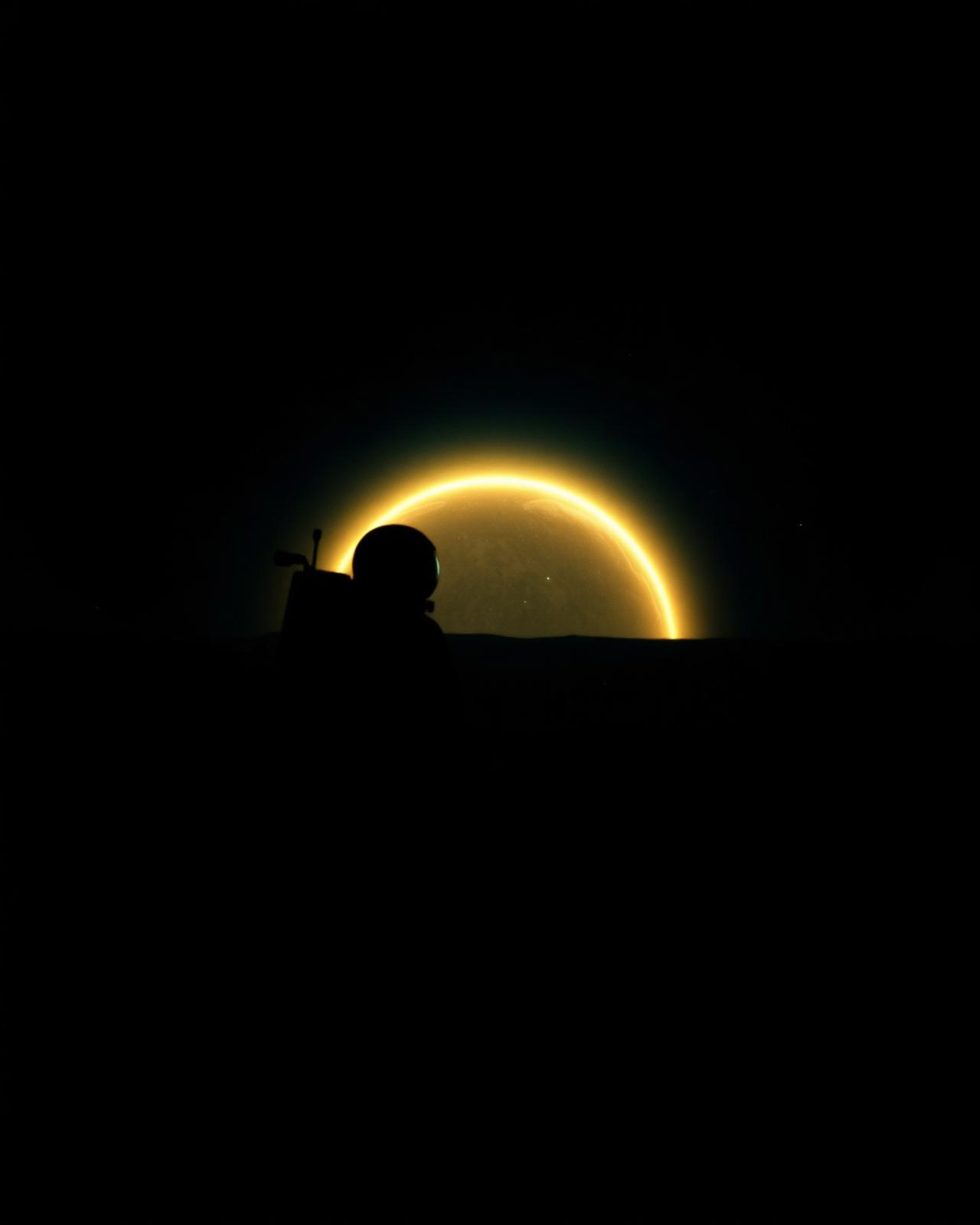
Silence and scale. Rim light, vast horizons, low synth drone.
Style direction
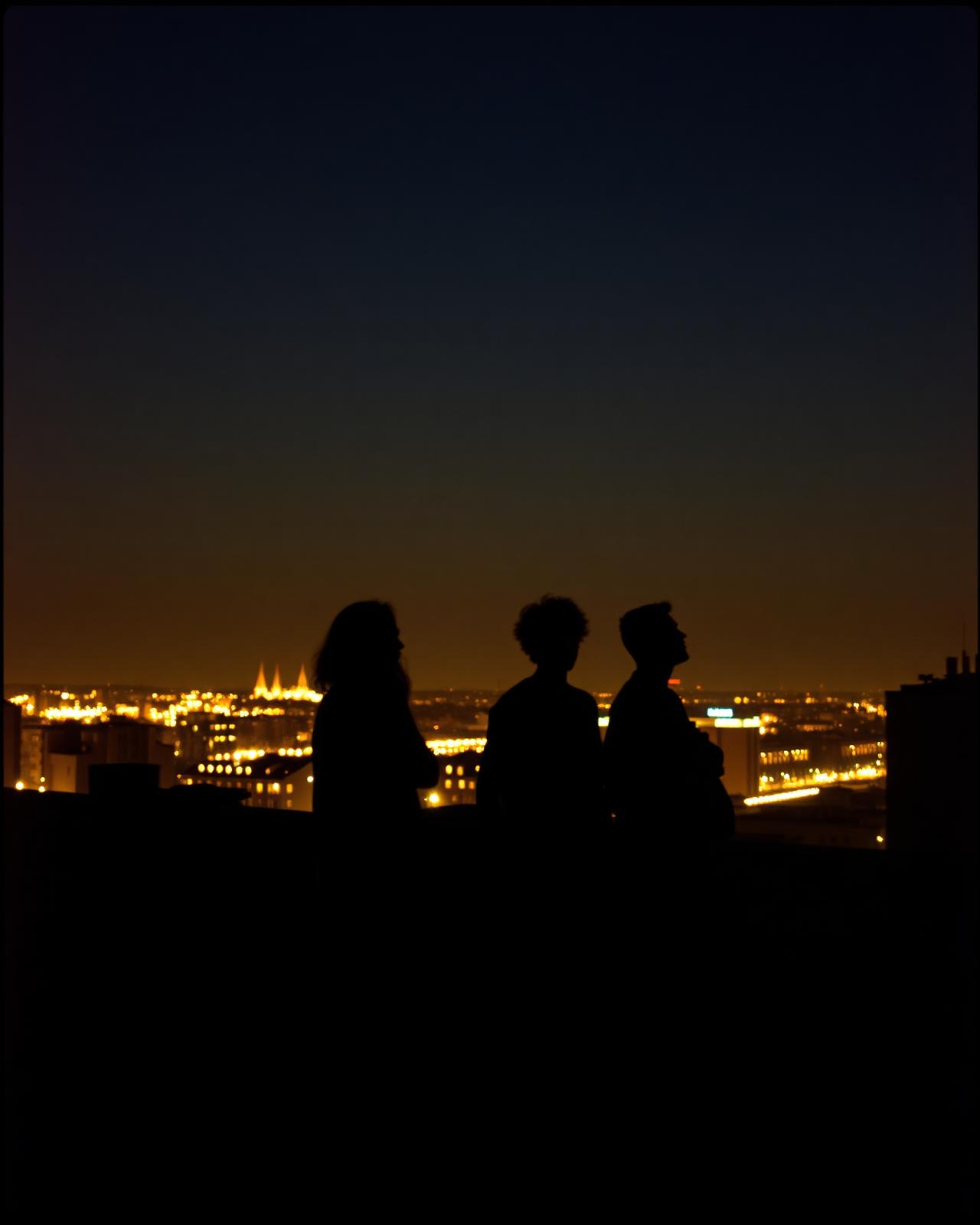
Momentum and colour. Golden hour, handheld energy, modern score.
Style direction
Before & after
Drag the handle to see what a manuscript looks like before and after it becomes a film.
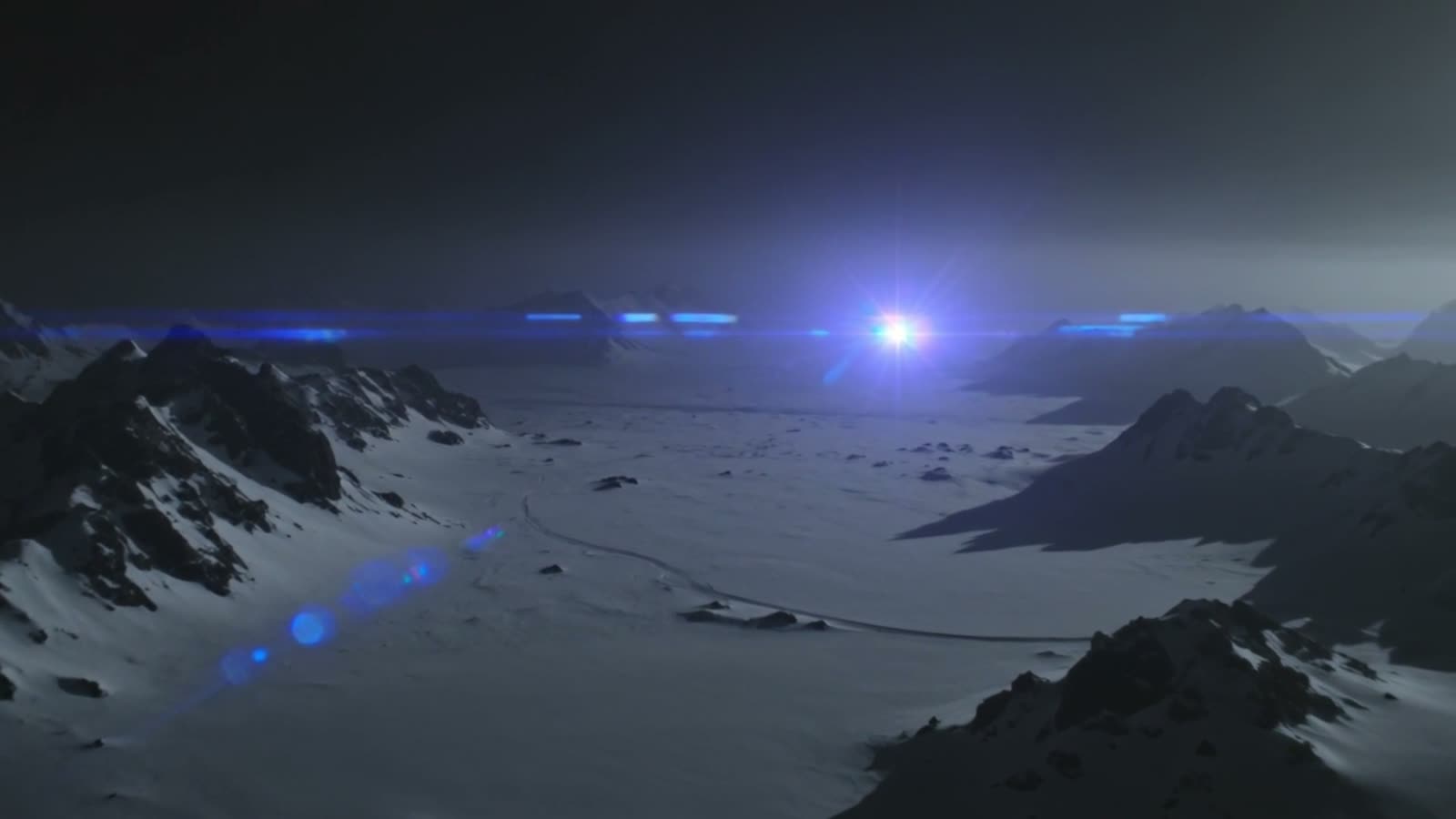
After
The trailer
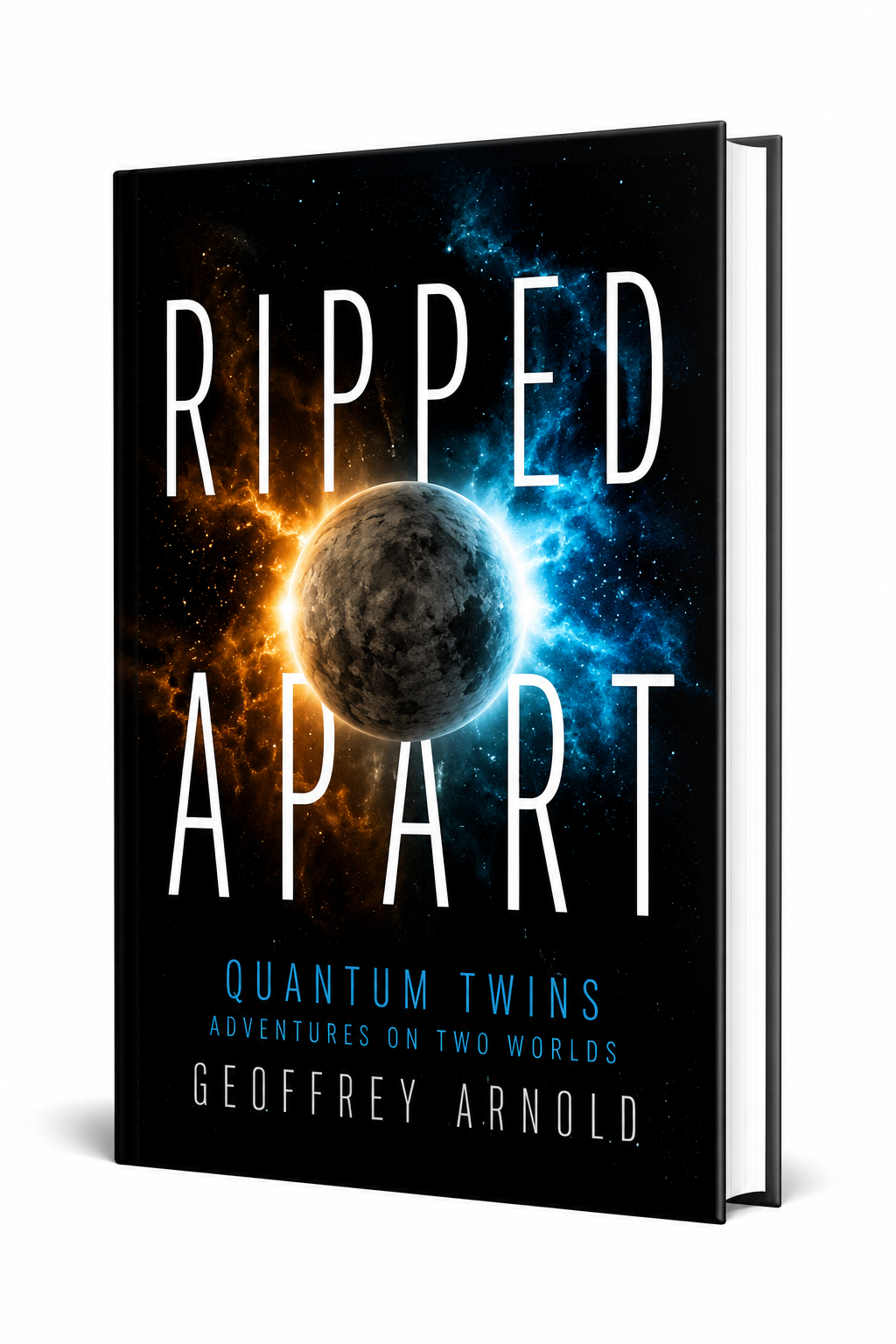
Before
The cover
Why book trailers work
A cover competes with a thousand covers. A film competes with nothing, it stops the scroll, carries the atmosphere of the book, and keeps working long after the launch window closes.
Built to be shared
A trailer is an asset readers pass to other readers unprompted, something a static cover cannot do.
Amazon-ready video
Delivered in a format the A+ module accepts, giving your detail page motion where competitors have none.
Made for the scroll
Cut and captioned for feeds, so the film works with sound off as well as on.
An image, not a synopsis
The first three seconds are cinema, not a caption, which is what stops a scroll.
Questions
The last frame
Send us the manuscript. We will read it, tell you honestly whether it wants to be a film, and show you the shape it could take.